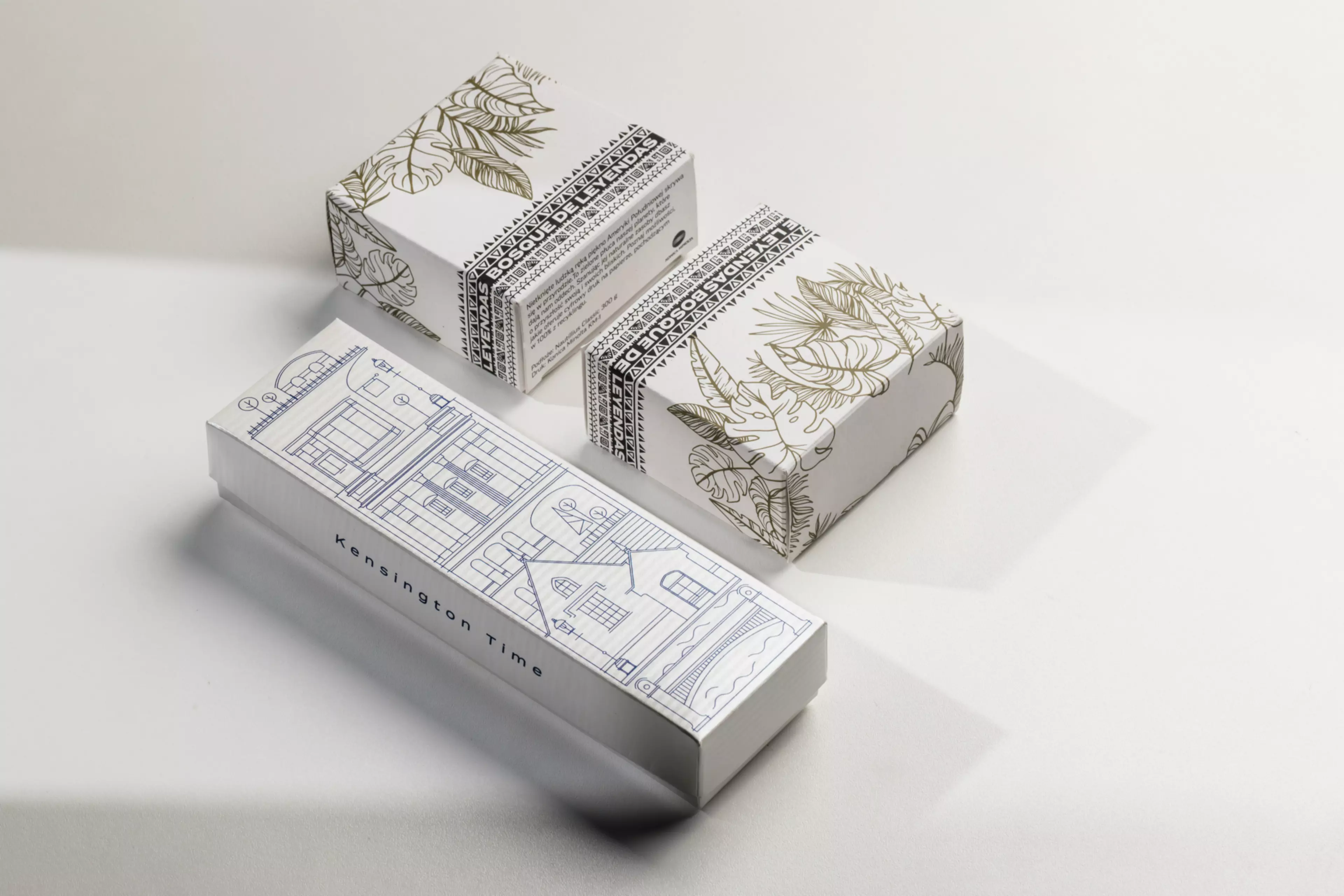
Rapid advances in digital print technology are driving growth.

The pace of technological development, coupled with changing market expectations around speed, customization, and sustainability, is shaping demand for digital printing technology - particularly inkjet.

Recent research from Smithers underscores just how significant this growth will be. According to The Future of Digital Printing to 2035, the global digital printing market is forecast to increase from $167.5 billion in 2025 to $251.1 billion by 2035 (constant pricing). At the same time, the industry is scaling rapidly in operational terms. In 2025 alone, digital presses were expected to consume more than 304,000 metric tons of ink and toner, representing $14.5 billion in consumables, while investment in new digital print machinery will reach $5.75 billion.
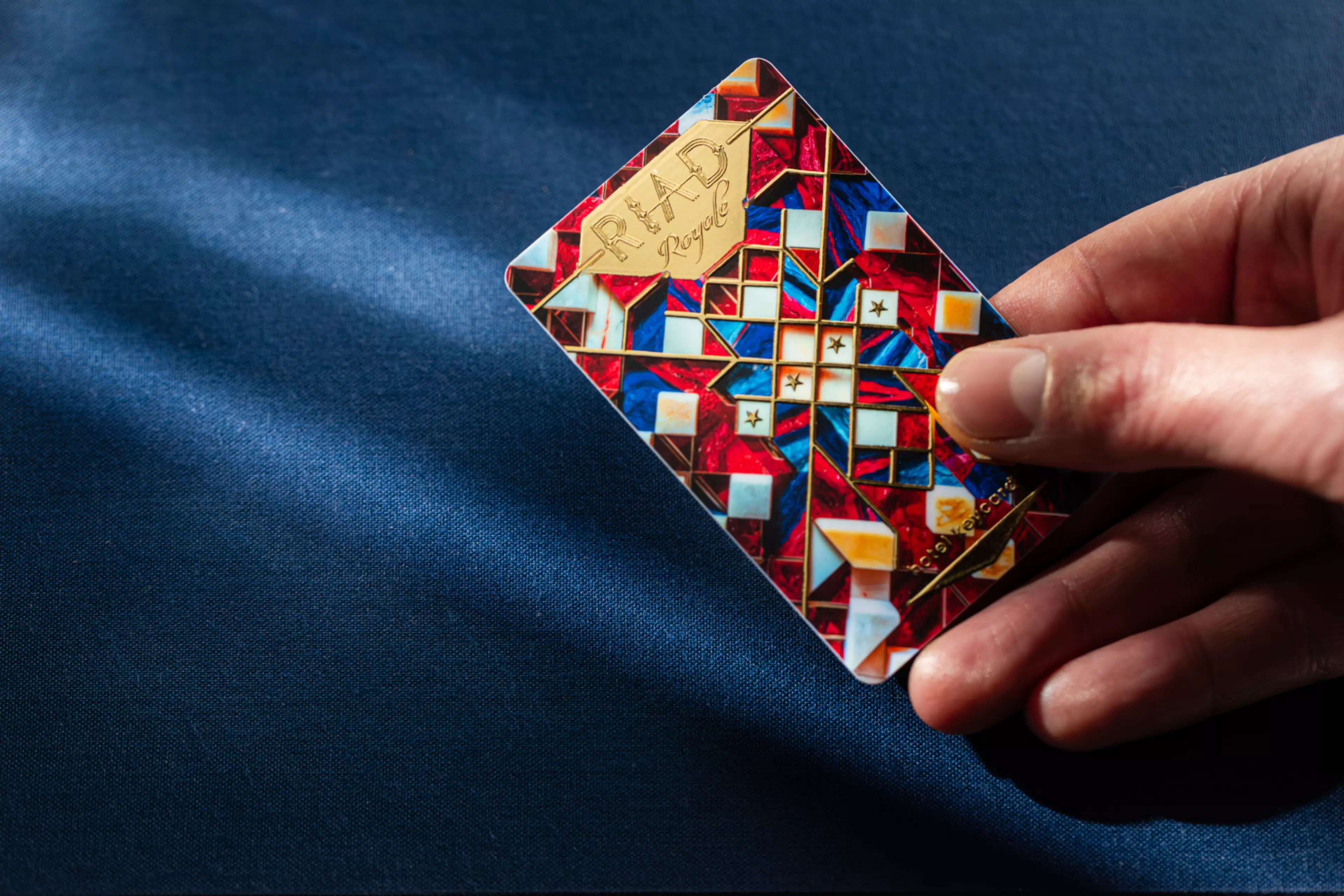

Inkjet becomes the dominant digital platform

Behind these numbers is a shift in how print is produced. Growing in dominance is inkjet technology. Inkjet already represents 72% of the value of new digital press equipment sales, and this share is projected to increase to around 82% by 2035, equivalent to roughly $6.49 billion in annual equipment sales $6.49 billion in annual equipment sales.

Electrophotography will continue to grow through the remainder of this decade, particularly in established commercial and office segments. However, its growth curve is expected to plateau after 2030 as investment and innovation increasingly concentrate around high-productivity inkjet systems.

This transition reflects a broader evolution in digital printing itself. Historically associated with short runs and specialty applications, digital inkjet is rapidly expanding into high-volume industrial production. As press productivity increases and unit costs fall, digital is becoming economically viable for medium and longer print runs that were once the domain of analogue technologies such as offset and gravure.

The result is a mutually reinforcing cycle: faster machines lower cost per print, which in turn encourages more applications to migrate to digital production.

Market acceleration

The scale of this transition is predicted by output projections. Smithers’ research in The Future of Inkjet Printing Smithers’ research in The Future of Inkjet Printing forecasts that total inkjet output will reach 2.29 trillion A4 prints (or equivalent) by 2029.

In value terms, the market has already expanded at a compound annual growth rate of 5.8% since 2019, and that growth is expected to accelerate to 6.6% annually, to achieve $125.9 billion by 2029.

Several forces are combining to sustain this momentum. These include advances in technology, shifts in market demand, and the expansion of digital printing into new applications.

Inkjet’s technological evolution

The technological evolution of inkjet is perhaps the most important driver behind its expanding role. Over the past decade, inkjet systems have moved beyond niche digital print applications and into genuine industrial-scale production.

A new generation of inkjet presses, capable of running at faster speeds,  is supporting production demands in publishing, transactional printing, direct mail, and packaging.

Print quality is also advancing rapidly. Improvements in printhead design and drop control are enhancing resolution levels from 1200 dpi to 2400 dpi and beyond, while droplet sizes approaching one picoliter enable smoother gradients, sharper text, and more consistent image reproduction. For many applications, the gap between digital and offset quality has narrowed significantly.

Ink chemistry is evolving alongside hardware performance. Advances in pigment inks for high-volume presses are improving durability and color stability, opening new value-added applications in labels, packaging, and product authentication.

Together, these developments are redefining what digital production is capable of delivering.Some of these have already been incorporated into Konica Minolta’s portfolio. It includes the new AccurioJet 30000 inkjet press, powered by patented UV ink technology as well as the new AccurioJet KM-1e and KM-1e HD high-definition B2+ UV inkjet presses.

Market dynamics reshaping demand

Technology alone is not driving this transformation. Structural changes in the broader economy, particularly the growth of e-commerce and on-demand manufacturing, are reshaping how print is specified and produced.

Brands and retailers increasingly require shorter runs, faster turnaround times, and greater flexibility. Marketing campaigns now change rapidly, product portfolios expand constantly, and regional variations are becoming standard. Digital printing aligns closely with these needs.

Short-run production allows companies to produce smaller batches of catalogues, promotional materials, and packaging without the high setup costs associated with traditional printing methods. It also enables continuous iteration, Design changes, versioning, and updates can be implemented cost efficiently.For print providers, this means new opportunities to compete on responsiveness rather than just volume.

Packaging - a growth engine

Among all application areas, packaging is currently the fastest-growing segment for digital inkjet. Digital printing is expanding across multiple packaging formats, including corrugated packaging, folding cartons, flexible packaging, rigid plastics, and metal decoration.

This growth is closely tied to broader shifts in consumer goods markets. Brands are launching products faster, introducing more stock-keeping units (SKUs), and tailoring packaging for different markets, channels, and promotional campaigns.

Digital production enables these strategies by supporting versioning, personalization, and rapid product launches without the constraints of traditional analogue production workflows.

Beyond structural printing, digital technologies are also unlocking new finishing capabilities. Digital embellishment, such as textured coatings, tactile effects, and spot or flood varnishes, allows packaging and labels to deliver premium visual and sensory experiences while maintaining efficient production.

Sustainability strengthens the digital case

Sustainability considerations are increasingly influencing print procurement decisions. Digital inkjet offers several environmental advantages compared with analogue production. Because it requires minimal setup and makeready, it generates less waste material during production. On-demand manufacturing also reduces excess inventory and minimizes the need for long supply chains.

Lifecycle analyses demonstrate that digital printing can have a lower overall carbon footprint, particularly when production volumes align with actual demand.

At the same time, regulatory pressures, especially around packaging waste and materials, are encouraging brands toward more flexible and responsive manufacturing models, further strengthening the role of digital production technologies.

Capture the opportunity

Over the next decade, as productivity rises, quality continues to improve, and workflows become increasingly automated, digital production will expand into the mainstream.

For print service providers, converters, and brands, the strategic question is no longer whether digital printing will grow but how quickly organizations can adapt to fully capture the opportunities it presents. Talk to Konica Minolta to explore the right answers for your business.

Share: